
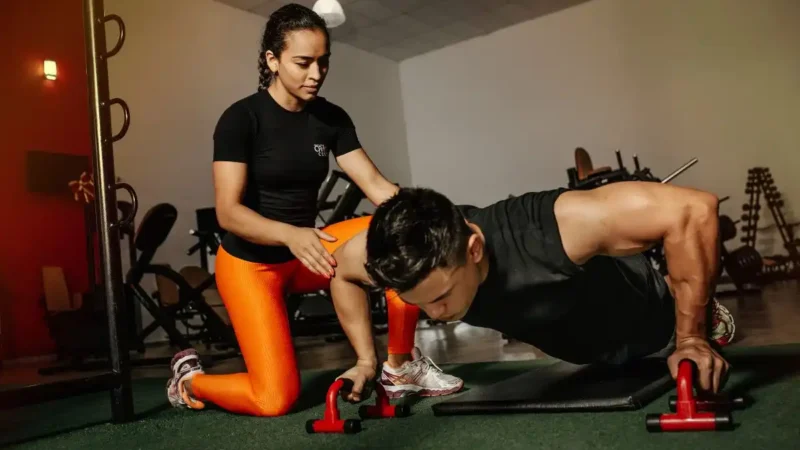
Starting a fitness routine can feel overwhelming when you are unfamiliar with gym equipment, exercise techniques, or how to organise your workouts. A beginner-friendly programme can provide the structure needed to start exercising with greater confidence while gradually improving strength, mobility, endurance, and overall fitness. Having a clear routine can also make it easier to stay consistent.
The 121 Fitness beginner fitness programme is designed to provide a structured starting point for people who are new to regular exercise or returning after a long period away from training. Instead of jumping into advanced workouts, beginners can focus on learning fundamental movements, developing good habits, and progressing at a pace that matches their current ability.
What Is A Beginner Fitness Programme?
A beginner fitness programme is a structured approach to exercise created for people with limited training experience or those restarting their fitness journey. It generally focuses on manageable workouts, fundamental exercises, appropriate training volume, and gradual progression rather than demanding sessions from the beginning.
The purpose is not to make every workout exhausting. Beginners need time to become comfortable with movement, understand how their bodies respond to exercise, and build the consistency required for long-term progress. Starting at an appropriate level can make training more sustainable.
Starting At The Right Fitness Level
Everyone starts from a different point. Someone who has never exercised may need a different approach from an individual who previously trained regularly but has become inactive. Fitness level, mobility, age, exercise history, lifestyle, and personal goals can all influence where a programme should begin.
Starting with manageable exercises allows beginners to focus on movement quality and confidence before the difficulty increases. This can make the transition into regular exercise more comfortable and reduce the temptation to progress too quickly.
Learning Fundamental Movements
Many beginner programmes are built around basic movement patterns that can later be used in more advanced training. Learning these patterns provides a foundation for exercises involving strength, balance, coordination, and everyday movement.
Common patterns may include squatting, pushing, pulling, hinging, carrying, and controlled core movements. Beginners can first learn how these movements should feel and then gradually develop greater control, strength, and coordination.
Strength Training For Beginners
Resistance training can be introduced gradually using bodyweight exercises, resistance bands, machines, or light free weights. The most appropriate option depends on the individual’s experience, movement ability, comfort, and goals.
The initial focus should be on performing exercises with controlled technique rather than lifting as much weight as possible. As strength and confidence improve, the resistance or training volume can be increased progressively.
Cardiovascular Exercise And General Fitness
A beginner programme does not need to focus entirely on resistance training. Cardiovascular exercise can also help improve endurance and make everyday physical activity easier.
Walking, cycling, rowing, and low-impact cardio machines are examples of activities that may be incorporated into a beginner routine. The duration and intensity can be adjusted according to fitness level, allowing individuals to gradually build their ability without making every session unnecessarily demanding.
Building A Consistent Exercise Routine
One of the biggest challenges for beginners is developing a routine that is realistic enough to maintain. Training too frequently can lead to excessive fatigue or soreness, while an inconsistent schedule may make it difficult to build a lasting habit.
A practical programme should fit around work, family responsibilities, social commitments, and other aspects of everyday life. Establishing a sustainable routine is often more valuable than trying to train at maximum intensity from the beginning.
Supporting Weightloss Through Exercise
For people working towards weightloss, a beginner programme can provide a structured way to increase physical activity and improve overall fitness. Exercise can contribute to energy expenditure and help build or maintain muscle, but weight management is influenced by nutrition, daily activity, sleep, and other individual factors as well.
Beginners should avoid expecting dramatic changes immediately. Building regular exercise habits first can provide a more sustainable foundation than following extreme routines that are difficult to maintain.
Supporting Body Transformation Goals
Some beginners start training because they want to achieve a body transformation. This may involve changes in body composition, strength, fitness, and physical appearance rather than simply a change in body weight.
Meaningful physical changes generally take time and require consistency. A structured training programme can help establish the exercise habits needed to progress, while appropriate nutrition and sufficient recovery support the body’s ability to adapt.
Why Exercise Technique Matters
Learning correct exercise technique is one of the most important parts of beginning a training programme. Good technique helps beginners understand how to control movements and perform exercises with greater confidence.
Increasing resistance before developing adequate control can make exercises unnecessarily difficult. Beginners can instead focus on appropriate range of motion, controlled repetitions, stable positioning, and gradually improving movement quality.
Recovery And Rest For Beginners
Recovery is an important part of training, especially when someone is new to exercise. New forms of physical activity can produce muscle soreness and fatigue, and repeatedly training without adequate recovery may make it harder to maintain consistency.
Rest days, sufficient sleep, hydration, and appropriate nutrition can support recovery between sessions. Beginners do not need to exercise every day to make progress, and a well-structured programme should allow enough time for the body to adapt.
Tracking Progress During Training
Progress is not always measured by changes in body weight or appearance. Beginners may notice improvements in strength, endurance, coordination, balance, exercise technique, and confidence before significant physical changes become visible.
Keeping a simple training record can make these improvements easier to recognise. Recording exercises, repetitions, resistance, or workout duration can also help identify when the programme needs to progress.
When Should A Beginner Progress?
Progression should occur gradually and should depend on how comfortably an individual can complete the current exercises. When a movement becomes more controlled and manageable, the programme may be adjusted to provide an appropriate new challenge.
Progress does not always mean adding more weight. It can involve increasing repetitions, improving movement control, extending the duration of an exercise, reducing unnecessary rest, or moving to a more challenging exercise variation.
Making Fitness A Long-Term Habit
A beginner programme should ideally be the starting point for an ongoing relationship with exercise rather than a short-term challenge. Creating realistic training habits and choosing activities that feel achievable can make it easier to remain active as fitness improves.
As people become more comfortable with training, their goals may also change. Someone who initially wants to become more active may eventually focus more specifically on strength, endurance, weight management, physical performance, or body composition.
Building Confidence Through Training
Confidence often develops gradually through repeated exposure to exercise. The first few sessions may feel unfamiliar, particularly when using gym equipment or learning new movements, but regular practice can make exercises feel more natural.
Small improvements can also provide useful motivation. Completing an additional repetition, performing an exercise with better technique, walking for longer, or maintaining a consistent training schedule can all represent meaningful progress.
Why A Structured Beginner Programme Can Help
Starting without a plan can leave beginners uncertain about which exercises to perform, how much resistance to use, or how to organise their training week. A structured programme can provide greater clarity and reduce some of the uncertainty that often comes with starting exercise.
121 Fitness training can provide a structured starting point for people who want to build their fitness progressively. By focusing on fundamental movements, manageable sessions, recovery, and gradual progression, beginners can develop a foundation that can evolve as their experience and fitness level improve.
Building A Strong Foundation With 121 Fitness
Beginning a fitness journey does not require advanced exercises or intense workouts from the first session. A suitable beginner programme should help people learn the basics, become more comfortable with movement, and establish habits that can be maintained over time.
The 121 Fitness beginner fitness programme provides a structured approach for people starting or restarting regular exercise. By progressing gradually and keeping training aligned with individual needs, beginners can work towards greater strength, fitness, confidence, and long-term consistency.