
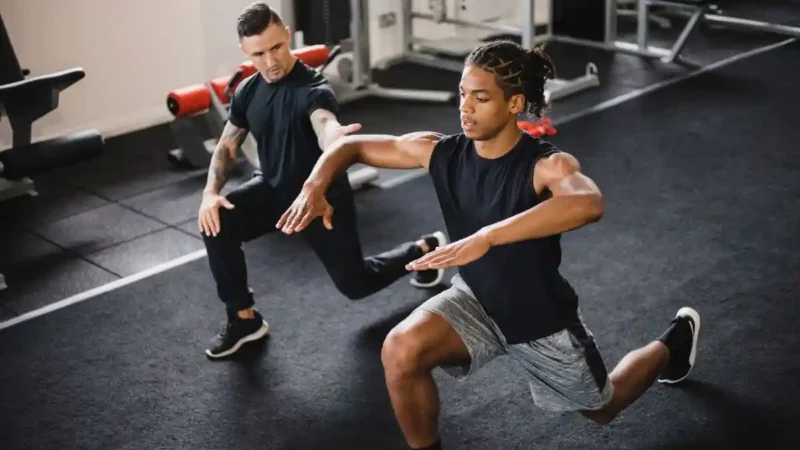
One to one personal training provides a more individual approach to exercise by allowing a trainer to focus directly on one person’s goals, fitness level, technique, and progress. Instead of following a general workout routine, each session can be adapted to suit your abilities, preferences, and lifestyle.
Whether your goal is to lose body fat, build strength, improve fitness, increase confidence, or simply become more active, individualized coaching can provide structure and accountability. A well-planned approach can also help you understand how to exercise safely and make fitness a sustainable part of your routine.
What Is One To One Personal Training?
One to one personal training involves working individually with a qualified fitness professional who designs and delivers training around your specific needs. The trainer can assess your current abilities, understand your goals, and adjust exercises according to your progress.
This individual attention can be particularly useful for people who are new to exercise or unsure about how to structure their workouts. Rather than moving through exercises without guidance, you can receive feedback on technique, intensity, movement, and progression throughout the session.
The approach can also suit experienced exercisers who want to improve a particular aspect of their fitness. Whether you are working toward better strength, endurance, mobility, or body composition, the training can be adjusted as your needs change.
How Does One To One Training Work?
The process generally begins by understanding your current fitness level, goals, exercise history, lifestyle, and factors that may affect your ability to train. This information helps establish a starting point and provides direction for the training programme.
Your sessions can then be structured around exercises that support your objectives. The trainer can demonstrate movements, observe your technique, adjust resistance or repetitions, and provide feedback throughout the workout.
As you become fitter and stronger, the programme can be progressively adjusted. This may involve changing the exercises, increasing resistance, modifying training volume, or introducing new challenges while keeping the sessions appropriate for your abilities.
Benefits Of Individualised Training
One of the main advantages of one to one training is the level of individual attention you receive. The trainer can observe how you move and provide immediate feedback rather than dividing their attention between several participants.
This can make learning new exercises easier and may help you develop better movement habits. If an exercise is too difficult, it can be modified, while exercises that become easier can gradually be progressed to maintain an appropriate challenge.
Individualized training can also provide accountability. Having a scheduled session and someone monitoring your progress can make it easier to maintain consistency, particularly when motivation changes or everyday responsibilities become demanding.
Training Based On Your Goals
Your fitness goals should influence how your programme is structured. Someone primarily interested in fat loss may require a different combination of resistance and cardiovascular training from someone focused on building strength or improving athletic performance.
If your goal is to increase muscle strength, the programme may emphasize resistance exercises and progressive overload. If cardiovascular fitness is a priority, the training can incorporate activities that gradually improve your ability to sustain physical effort.
Some people may have several goals at the same time. A balanced programme can combine strength, cardiovascular fitness, mobility, and conditioning rather than focusing exclusively on one aspect of physical health.
Strength Training In Personal Training
Strength training is commonly included in personal training because it can help build and maintain muscle while improving functional strength. Exercises can include movements such as squats, presses, rows, lunges, deadlifts, and other resistance-based exercises.
The amount of resistance and number of repetitions can be adjusted according to your current abilities. Beginners may initially focus on learning movement patterns and developing confidence, while more experienced individuals may work with greater resistance or more advanced variations.
Progressive training can gradually challenge the body as fitness improves. The objective is not simply to make every workout harder, but to provide an appropriate stimulus while allowing enough recovery between sessions.
Improving Cardiovascular Fitness
Personal training does not have to focus entirely on weights. Cardiovascular exercise can also be incorporated to improve stamina, heart and lung fitness, and your ability to remain physically active for longer periods.
Depending on your goals and fitness level, sessions may include activities such as brisk walking, running, cycling, rowing, circuits, or other conditioning exercises. The intensity and duration can be adjusted as your cardiovascular capacity develops.
Combining resistance and cardiovascular training can create a more complete fitness routine. This can be particularly useful for people who want to improve overall fitness rather than focusing on a single physical outcome.
Learning Proper Exercise Technique
Knowing how to perform an exercise correctly is an important part of effective training. Poor movement patterns can reduce the effectiveness of an exercise and may increase unnecessary stress on certain joints or muscles.
During one to one sessions, a trainer can demonstrate the movement and observe how you perform it. They can provide corrections and explain why certain positions, movements, or breathing patterns may be important.
This feedback can be particularly valuable when learning unfamiliar exercises. Over time, developing better movement awareness can help you become more confident when exercising independently.
Personal Training For Beginners
Starting a new fitness routine can feel overwhelming when you are unfamiliar with gym equipment or unsure which exercises to perform. One to one coaching can provide a structured introduction without requiring you to figure everything out alone.
A beginner programme can start with fundamental movements and manageable levels of intensity. As your confidence and fitness improve, exercises can gradually become more challenging without making the initial sessions unnecessarily difficult.
The goal is to create a positive foundation for regular exercise. Building confidence early can make it easier to continue training consistently rather than becoming discouraged by a programme that is too demanding.
Personal Training For Weight Loss
People often choose personal training when they want support with weight loss and body composition. Exercise can contribute to energy expenditure, while resistance training can help maintain muscle during periods of weight loss.
However, sustainable weight management involves more than exercise alone. Nutrition, sleep, daily activity, stress, and long-term eating habits can all influence body weight and overall health.
A trainer can help structure your physical activity around your goals, while nutritional advice should come from an appropriately qualified professional when individualized dietary guidance is required. The focus should be on sustainable changes rather than extreme short-term approaches.
Building Accountability And Motivation
Motivation naturally fluctuates. There may be days when you feel enthusiastic about exercising and others when work, stress, tiredness, or other responsibilities make training feel less appealing.
Having a scheduled one to one session can create an additional level of accountability. Knowing that someone is expecting you to attend can make it easier to maintain your routine during periods when motivation is lower.
This does not mean that you need to feel motivated before every workout. Developing consistency can help exercise become a regular part of your lifestyle, even on days when enthusiasm is limited.
Personal Training And Group Exercise
Some people enjoy the energy and social aspect of training alongside others. Group training sessions can create opportunities to exercise with people who have similar interests while adding variety and motivation to a weekly fitness routine.
Group training and one to one training serve different purposes. While group sessions can provide a social environment, individual coaching allows the trainer to focus entirely on one person’s technique, goals, limitations, and progression.
A combination can also work for people who enjoy variety. Individual sessions can focus on specific goals and progression, while group activities can provide additional movement, social interaction, and motivation.
Can A Fitness Break Complement Personal Training?
Changing your usual environment can sometimes help you step away from everyday routines and dedicate more time to physical activity. A training retreat can provide an opportunity to focus on exercise, recovery, nutrition, and other healthy habits for a limited period.
However, a short fitness-focused experience should not be viewed as a substitute for consistent training. The habits developed during a temporary break are most valuable when they can be incorporated into your normal routine afterward.
Personal training can provide longer-term structure, while occasional fitness experiences can offer variety and renewed motivation. The right combination depends on your goals, lifestyle, and preferences.
How Often Should You Do Personal Training?
The ideal training frequency depends on your goals, current fitness level, schedule, recovery capacity, and the type of exercise being performed. Some people may benefit from several coached sessions each week, while others may combine one personal training session with independent workouts.
Training more frequently does not automatically guarantee better results. Your body needs adequate recovery, and the programme needs to be realistic enough to fit into your everyday life.
A sustainable schedule is one that you can maintain consistently. Your trainer can help determine an appropriate frequency and adjust the programme as your fitness and goals change.
The Importance Of Recovery
Recovery is an important part of any training programme. Muscles and other tissues need time to adapt after exercise, while adequate rest can help manage fatigue and maintain training quality.
Sleep is particularly important because it supports physical recovery, energy, concentration, and general wellbeing. Consistently poor sleep can make training feel more difficult and may affect your ability to maintain a regular routine.
Recovery can also include lower-intensity movement, mobility work, appropriate nutrition, hydration, and rest days. A well-designed programme considers these factors rather than focusing exclusively on the workout itself.
Tracking Your Progress
Tracking progress can help determine whether your training programme is working effectively. Depending on your goals, useful measures may include strength levels, repetitions, exercise performance, cardiovascular capacity, body measurements, or changes in how everyday activities feel.
Body weight can be useful for some goals but should not be the only measurement. Short-term fluctuations can occur because of hydration, food intake, and other factors, so looking at progress over time provides a more meaningful picture.
Regular assessments can also show when your programme needs adjustment. If your current routine becomes too easy, too difficult, or no longer matches your goals, changes can be made to maintain appropriate progression.
What Makes Personal Training Sustainable?
Sustainability means creating a fitness routine that can fit into your life rather than expecting your entire life to revolve around exercise. A programme that requires unrealistic amounts of time or extreme lifestyle changes may be difficult to maintain.
Your training schedule should account for work, family responsibilities, social activities, sleep, and other commitments. Building exercise around your existing lifestyle can make consistency more achievable.
The ultimate goal should be to develop skills and habits that continue beyond individual training sessions. Learning how to exercise, progress, recover, and stay active can give you greater confidence in maintaining your fitness independently.
Who Can Benefit From One To One Personal Training?
One to one training can suit people with a wide range of fitness levels. Beginners can receive guidance while learning fundamental movements, while experienced exercisers can use individual coaching to work toward more specific goals.
It may also be useful for people who prefer privacy, need greater accountability, or want a programme adapted to their particular schedule and preferences. The individual format allows the training environment and session structure to be adjusted around the client.
Anyone with a medical condition, significant injury, or concern about beginning exercise should seek appropriate professional advice before starting a new programme. Training should always be adapted to the individual’s circumstances and abilities.
Conclusion
One to one personal training provides an individualized approach to improving fitness, strength, endurance, movement, and overall physical wellbeing. With direct coaching, exercises can be selected and progressed according to your goals, current abilities, and lifestyle.
The value of personal training extends beyond completing individual workouts. Learning proper technique, developing consistency, tracking progress, and understanding the importance of nutrition and recovery can help you build habits that remain useful over the long term.
A successful programme does not need to rely on extreme workouts or rapid results. By following a realistic training structure and making gradual improvements, you can develop greater strength, fitness, confidence, and a healthier relationship with regular exercise.