
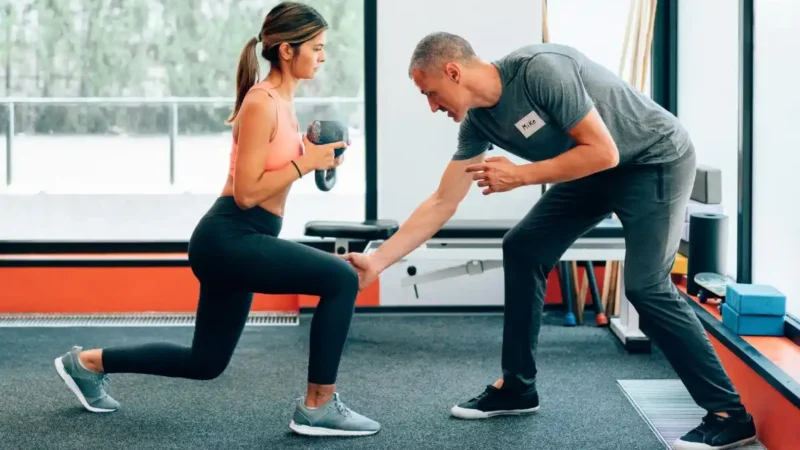
Starting a fitness routine can feel overwhelming when you are not sure where to begin. You may have a goal in mind, but choosing suitable exercises, understanding proper technique, and knowing how often to train can be difficult when you have little or no previous experience. Personal training can provide a structured starting point while helping you become more comfortable with exercise.
You do not need to arrive at the gym already fit or experienced. Your current fitness level, mobility, previous exercise experience, lifestyle, and personal goals can all be considered when creating a suitable starting point. The aim is to begin at a manageable level and gradually build the strength, confidence, and fitness needed to progress.
Starting With The Basics
The early stages of training should focus on becoming comfortable with movement and learning fundamental exercises. You may need time to understand how to use equipment, control different movements, and recognise what an appropriate level of effort feels like. Starting with these basics can make future training much easier to understand.
A beginner-friendly programme should progress according to your ability rather than someone else’s fitness level. Exercises can be modified when necessary, while resistance, repetitions, and training intensity can be increased gradually. This allows you to build a foundation without making your first few sessions unnecessarily demanding.
Why Personal Training Can Help Beginners
One of the biggest challenges when starting exercise is knowing what to do. There are countless workouts available online, but a routine designed for an experienced person may not be suitable for someone who is new to training. Personal guidance can make the process more straightforward and easier to follow.
A trainer can demonstrate exercises, explain their purpose, and provide feedback while you perform them. This can help you understand how your body should move and give you greater confidence when using equipment. It also means adjustments can be made when an exercise feels unsuitable or difficult.
Regular sessions can provide useful structure when you are developing a new routine. Having a planned time for exercise may make it easier to stay consistent, particularly when motivation changes throughout the week. Over time, the knowledge you gain can also help you become more confident when exercising independently.
Creating A Routine That Fits Your Lifestyle
A beginner’s training routine should work with your everyday life rather than compete with it. Work, family responsibilities, travel, social commitments, and other activities can all affect how much time you realistically have available for exercise. A manageable routine is therefore more useful than one that looks impressive but quickly becomes difficult to maintain.
You do not necessarily need to train every day to make progress. A few consistent sessions each week can provide a strong starting point, especially when your body is still adapting to regular physical activity. The frequency and duration can then be adjusted as your fitness improves.
Your routine should also leave enough time for recovery. Someone returning to exercise after a long break may need more rest between demanding sessions than someone who is already active. Training can become progressively more challenging as your body becomes accustomed to the workload.
Learning Proper Exercise Technique
Good technique is particularly important when learning a new exercise. Understanding how to position your body, control each movement, and use an appropriate range of motion can help you perform exercises more effectively. It can also make unfamiliar movements feel less intimidating.
A trainer can observe your technique and make adjustments when necessary. This might involve changing your stance, posture, movement speed, resistance, or range of motion. Small changes can sometimes make an exercise feel considerably more comfortable and controlled.
You should not expect to perform every movement perfectly during your first few sessions. Technique develops through practice, repetition, and feedback, so some exercises may take time to feel natural. Building these skills early can make it easier to progress later.
Building Strength Gradually
Strength training does not mean that beginners need to start with heavy weights. Bodyweight exercises, resistance bands, machines, and lighter weights can all provide useful training depending on your experience and current ability. The most appropriate starting point will vary from person to person.
Initially, the focus should be on learning the movement and controlling the exercise. Once your technique becomes more consistent, resistance or repetitions can gradually increase. This provides your muscles with a greater challenge without asking too much of your body too soon.
Progress is not always measured by how much weight you can lift. Performing an exercise with better control, improving your stability, completing additional repetitions, or becoming more comfortable with a movement can all represent meaningful progress.
Improving Cardiovascular Fitness
Strength is only one part of overall fitness. Cardiovascular training can improve your ability to sustain physical activity and can complement the resistance work included in a beginner’s routine. It can also help you become more comfortable with longer periods of movement.
Walking, cycling, rowing, swimming, and jogging are examples of activities that can develop cardiovascular fitness. The most suitable option depends on your current ability, preferences, and goals. If you are starting from a low fitness level, shorter periods of activity may be more appropriate initially.
As your stamina improves, you can gradually increase the duration or intensity of your sessions. Combining cardiovascular activity with strength training can create a more balanced routine and give you different ways to remain active throughout the week.
Finding A Training Style You Enjoy
Enjoyment can make a significant difference to consistency. If every workout feels like something you have to force yourself through, maintaining the routine can become difficult once the initial excitement wears off. Finding activities that suit your personality and preferences can make regular exercise feel more manageable.
Some people prefer individual sessions because they enjoy personal attention and a quieter environment. Others like the energy and encouragement that can come from exercising alongside other people. Structured group workouts can be particularly appealing if you enjoy training with others while still having a clear plan for each session.
Trying different forms of exercise can help you discover what works best for you. Your preferences may also change as your fitness develops, so there is no need to commit to one style of training permanently.
Setting Realistic Goals
Many beginners start with a broad goal such as losing weight, becoming stronger, improving fitness, or becoming more active. Turning that larger goal into smaller actions can make the process easier to manage. It also gives you clear behaviours to focus on between training sessions.
Your initial targets might involve attending your planned sessions consistently, improving your exercise technique, walking more frequently, or gradually increasing your stamina. These actions are within your control and can provide useful indicators of progress even when physical changes take longer to appear.
Your goals can also develop as your fitness improves. An exercise that initially feels difficult may eventually become comfortable, allowing you to introduce a new challenge. Progress does not need to happen quickly to be meaningful.
Staying Consistent With Training
Motivation naturally changes from one day to another. There will be times when exercise feels easy to prioritise and other times when work, tiredness, travel, or other responsibilities make training less appealing. Building habits can help you remain active even when motivation is not particularly high.
Scheduling sessions and preparing for workouts in advance can provide useful structure. It can also help to set realistic weekly targets rather than expecting yourself to follow a perfect routine every day. Consistency is usually easier when your expectations match your actual lifestyle.
Missing an occasional session does not mean that you have lost your progress. Instead of trying to compensate with excessive exercise, return to your normal routine when you can. Long-term results are built through repeated effort over time rather than a few perfect weeks.
Making Recovery Part Of Your Routine
Recovery is an important part of becoming fitter, particularly when you are new to regular exercise. Your body needs time to adapt after training, and adequate sleep, hydration, nutrition, and rest can all support that process. Training constantly without enough recovery can make it harder to maintain your routine.
Some tiredness after exercise is normal, especially when you are learning new movements or increasing your activity. However, persistent exhaustion, unusual soreness, or difficulty completing normal activities may indicate that your routine needs to be adjusted.
Rest does not mean that you have to remain completely inactive. Depending on your circumstances, lighter activities such as walking or gentle mobility work may be appropriate between more demanding sessions. The important thing is to give your body enough opportunity to recover.
Adding Variety As You Progress
Once regular exercise becomes part of your routine, introducing different activities can help keep training interesting. Trying something new can also expose you to forms of exercise that you may not have considered when you first started. Variety can be particularly useful when you begin to feel that your usual workouts have become repetitive.
Changing your environment can sometimes provide a similar benefit. A fitness-focused retreat can give you dedicated time to concentrate on exercise and wellbeing while stepping away from your usual daily routine. It can be an enjoyable experience for someone who wants to explore different activities in a different setting.
However, beginners do not need to take on demanding experiences to make progress. Your main priority should remain choosing activities that match your current fitness level and can be maintained consistently. More challenging options can be explored naturally as your confidence develops.
Building Confidence Through Exercise
Confidence usually develops through familiarity and repeated practice. Equipment that initially looks complicated can become easier to use once you understand how it works, while exercises that once felt awkward can gradually become more natural. Each session can provide another opportunity to learn.
You may also notice improvements outside your workouts. Walking for longer, climbing stairs more comfortably, carrying everyday items, or completing daily activities with less fatigue can all reflect improvements in fitness. These changes can be encouraging even when they are not immediately visible.
Comparing yourself with other people is rarely helpful when you are starting out. Everyone begins from a different point and progresses at a different pace. Looking at your own improvements can provide a more useful measure of how far you have come.
When Should Beginners Increase The Challenge?
There is no single point at which every beginner should make their workouts harder. Progression should depend on how comfortably you perform your current exercises and how well your body is responding to training. Your trainer can help determine when a greater challenge is appropriate.
Increasing the challenge could involve adding a small amount of resistance, performing additional repetitions, extending the duration of an activity, or introducing a slightly more demanding exercise. Usually, making gradual changes is easier to manage than increasing everything at once.
Being patient does not mean that you are not progressing. Giving yourself enough time to develop strength, coordination, endurance, and technique can create a better foundation for future training. The goal is steady improvement rather than rushing through each stage.
Conclusion
Personal training can give beginners a structured and supportive way to start exercising. Learning proper technique, developing strength and cardiovascular fitness, understanding recovery, and establishing consistent habits can create a strong foundation for future progress.
You do not need to be fit before you begin. A suitable programme can meet you at your current ability and gradually introduce greater challenges as your confidence and fitness develop. The process should feel challenging enough to encourage progress without becoming overwhelming.
With realistic goals, appropriate training, proper recovery, and regular effort, exercise can gradually become a sustainable part of your lifestyle. The most valuable progress is not necessarily the fastest progress, but the progress you can continue building over time.